At the end of February, representatives of institutions, organizations, academia, and the diaspora gathered in Tirana to open one of the key questions for the Western Balkans today: how can we transform the way we approach migration into a sustainable model of cooperation, exchange, and development?
The “LeadBalkans 2026” conference, held from February 25th to 27th and organized by the Western Balkans Fund, highlighted that the diaspora is not “outside” the region, but an integral part of it. Instead of a divide between “here” and “there,” discussions revolved around the idea of connection — one that persists despite distance and, in a time of increasing mobility, continues to shape how communities grow, collaborate, and develop.
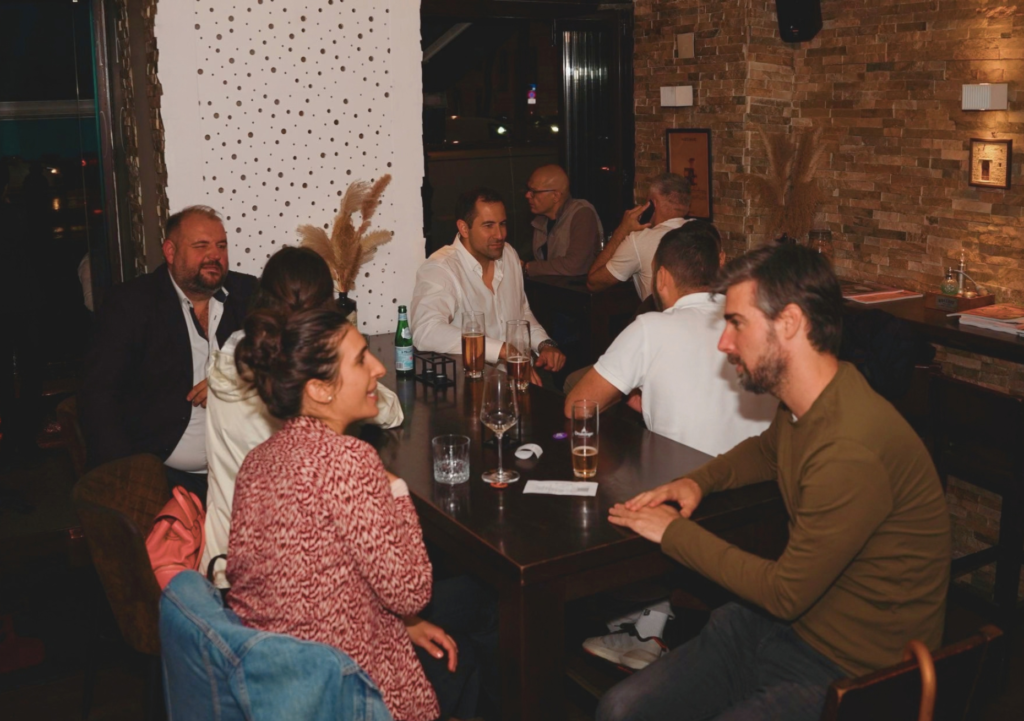
Exchanges between institutions, academia, the private sector, and civil society brought forward questions already familiar in practice — what works in cooperation with the diaspora, where the obstacles lie, and how existing initiatives can be further developed.
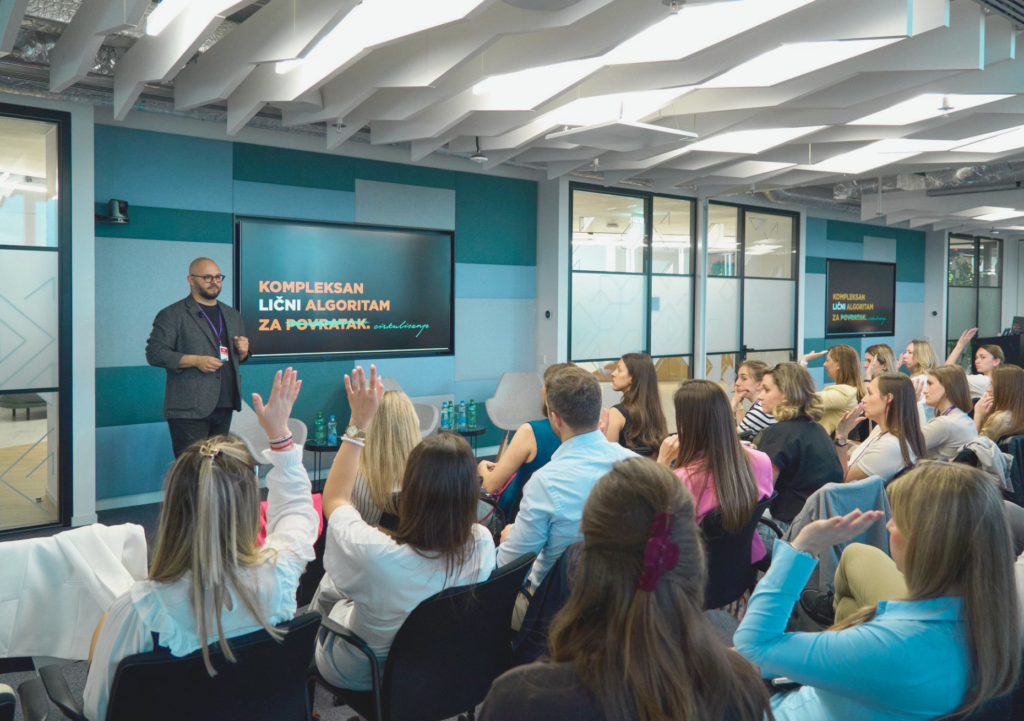
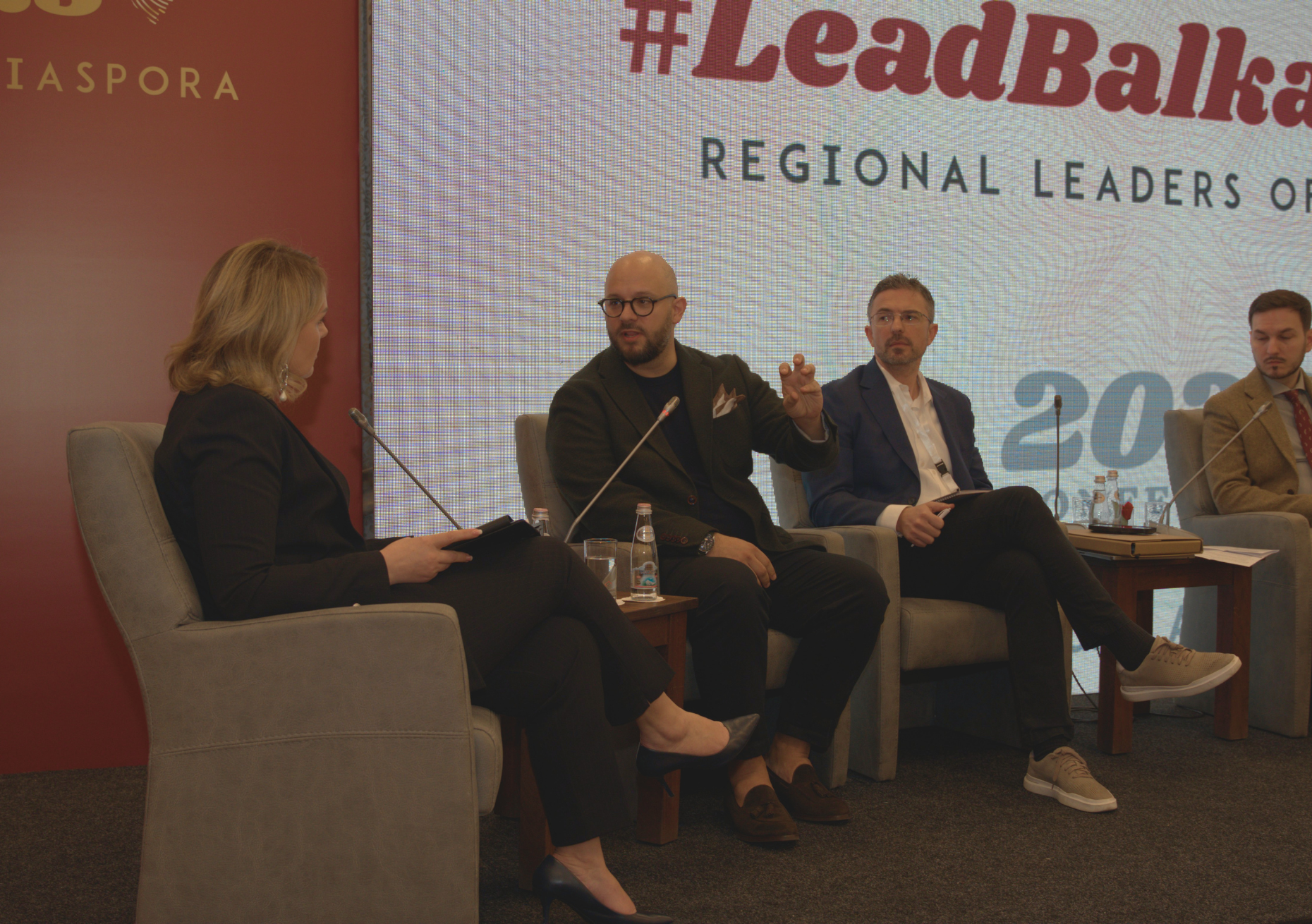
For us at Returning Point, this is not a new topic. For years, we have been advocating for a shift in how migration is understood — from departure and return as one-directional, linear paths, to circulation as a continuous process. This was also the central idea of the panel “From Brain Drain to Brain Circulation,” where Returning Point’s Program Director, Uroš Živković, took part.
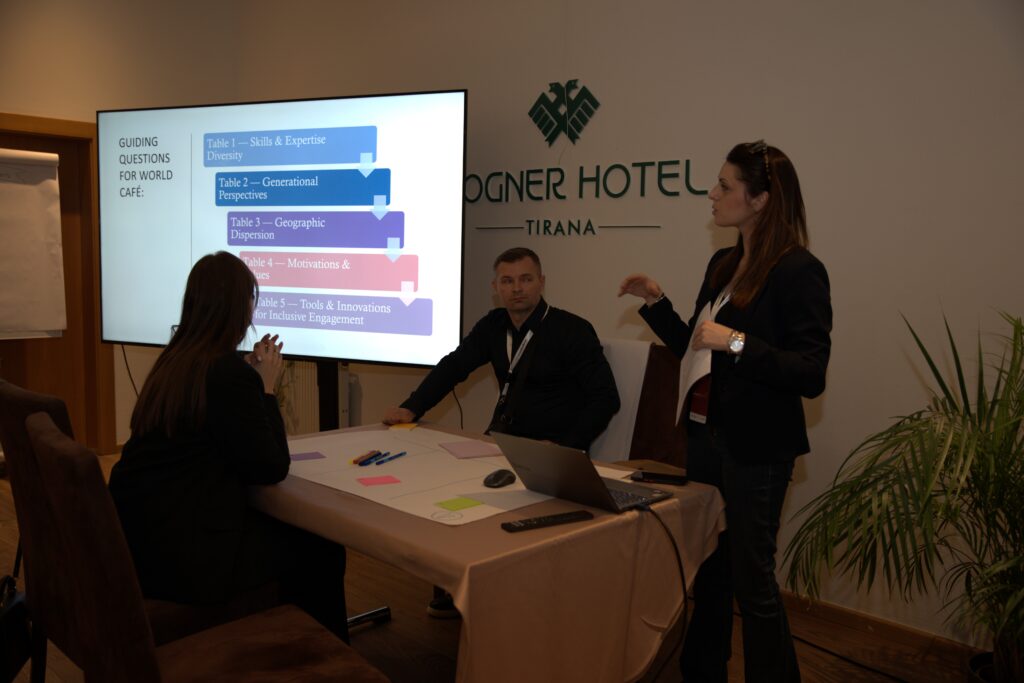
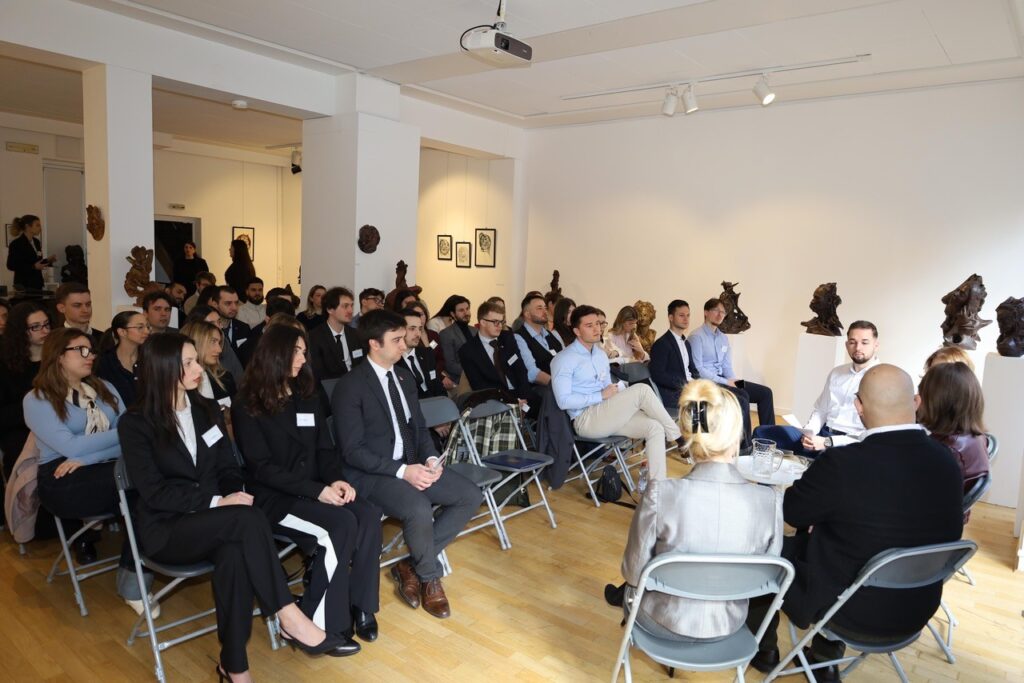
The panel focused on how to move circulation from concept to reality, by developing concrete mechanisms that enable people in the diaspora to engage, whether through return, remote work, mentorship, investment, or collaboration with institutions and organizations in the region. In addition to participating in opening and informal sessions, our team also contributed through practice: Program Manager Bojana Miković led the “Dialogue 2.0” workshop, aimed at exchanging ideas on formats for cooperation between local communities and the diaspora across the region.
It is important to emphasize that circulation does not only mean physical return. It is already happening through joint projects, academic cooperation, knowledge exchange, and business connections that transcend borders. Our role is to recognize these processes, support them, and make them more visible and accessible.
Discussions at #LeadBalkans showed that cooperation with the diaspora does not happen spontaneously – it requires trust, stable and predictable systems, and clear pathways for engagement. At the same time, the existing potential is evident in people who are willing to contribute, as well as in initiatives that can turn that willingness into concrete opportunities.
We believe that through processes like these, we can build a model in which circular migration is not a loss, but a resource; for individuals, for communities, and for the region as a whole.