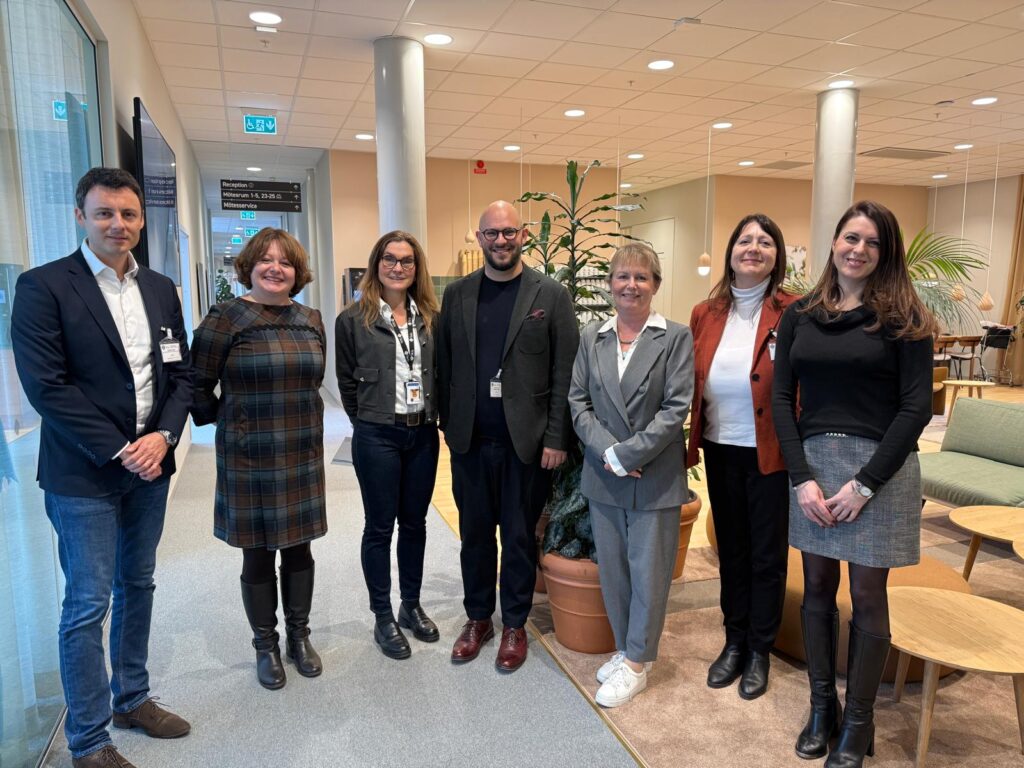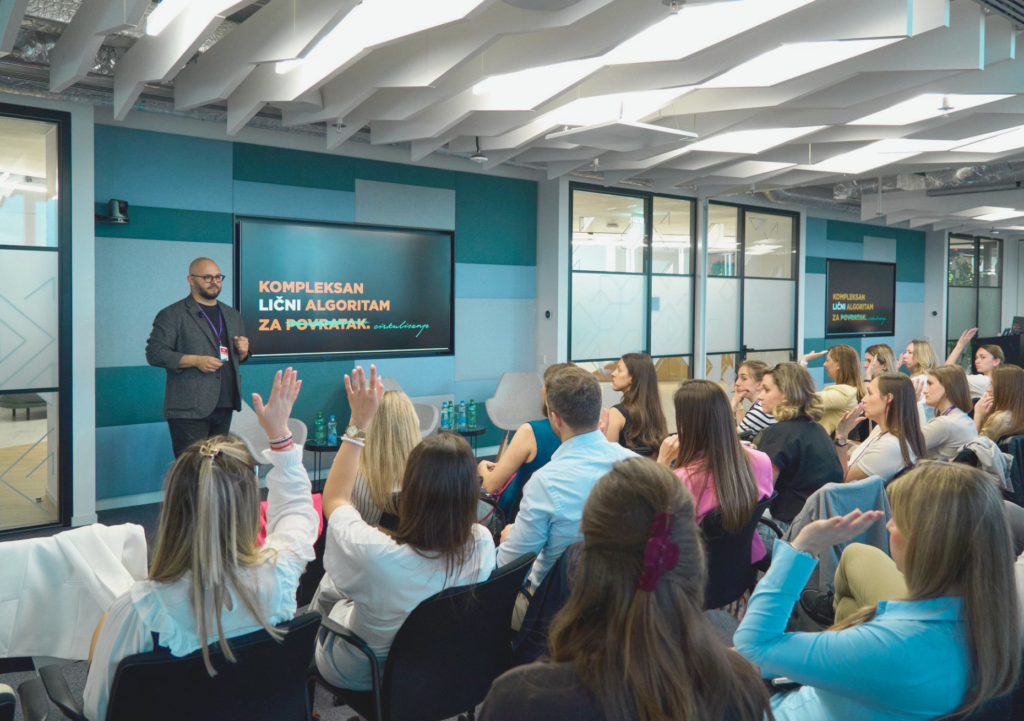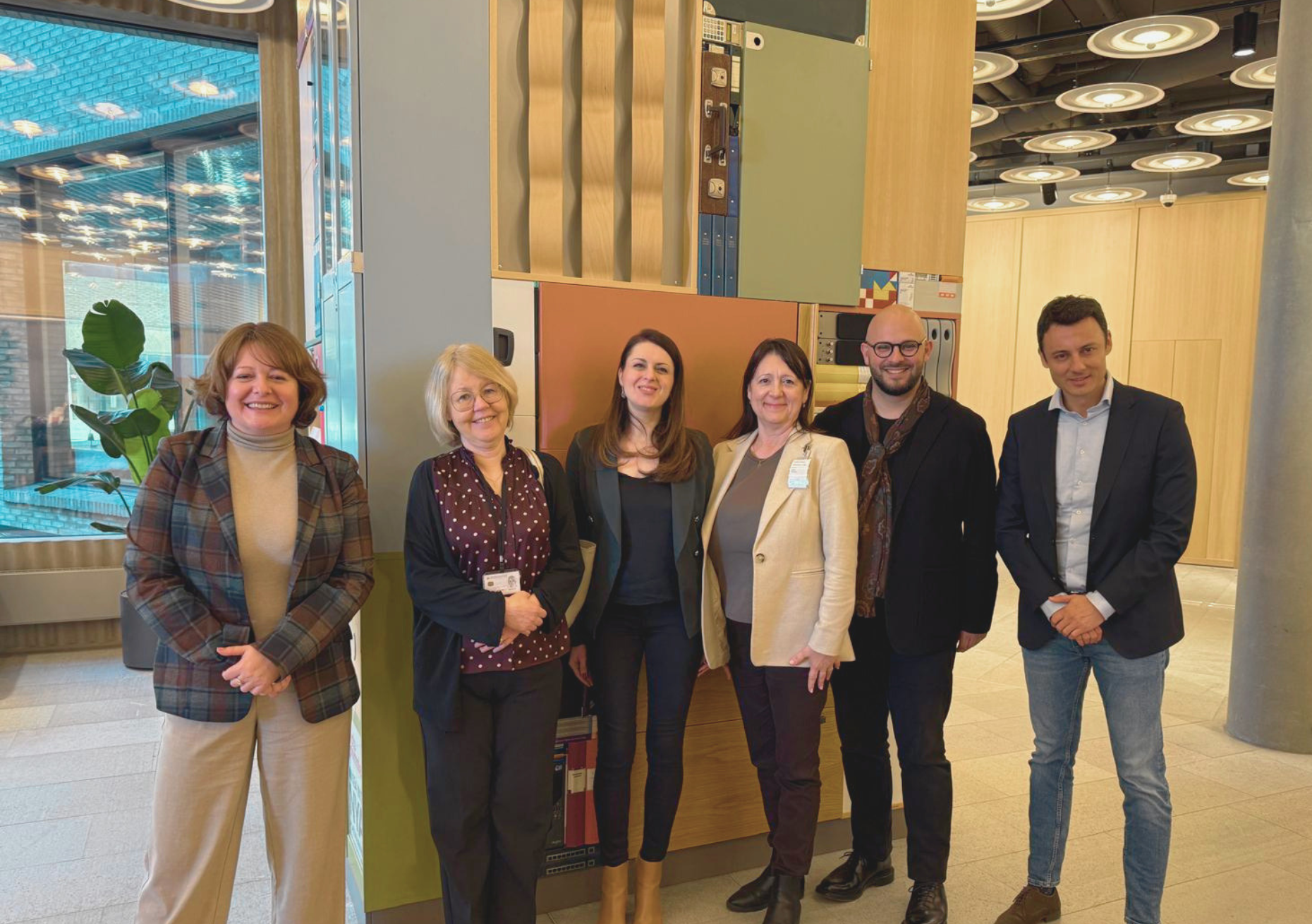
At the end of March, the Returning Point team, together with partners from the Serbian Chamber of Commerce and the Embassy of Sweden in Belgrade, held a series of meetings in Stockholm with representatives of institutions that have been working on migration and international development for decades. The visit to Sweden was organized as part of the “Promoting Circular Migration in Serbia” project, implemented by UNDP Serbia in partnership with Returning Point and co-financed by the Government of Sweden. The aim was to create opportunities for deeper cooperation with Swedish institutions and to exchange knowledge and experience in the fields of circular migration, labour market policies, and diaspora engagement.
The question that brought us together is not a new one: how can human mobility be transformed into a model that generates long-term benefits? Throughout the visit, it became increasingly clear that the answers to this question are converging, even across different national contexts.
Where Paths Converge
During meetings with the Swedish International Development Cooperation Agency (Sida), the Swedish Migration Agency, the Swedish Ministry for Foreign Affairs, and the Swedish Public Employment Service, discussions focused on topics that are already familiar to us: how to align migration policies with development objectives, how to use data to inform policymaking, and how to enable people to remain connected with their countries of origin regardless of where they live.
One of the most significant takeaways was the clear recognition of the approach developed by Returning Point: viewing migration not as a one-time departure or return, but as a process of circulation that can generate knowledge exchange, investment, and new forms of cooperation, while serving as a foundation for project activities aimed at local development.
In this context, Sida’s new strategy for the 2026–2030 period further reinforces this direction by recognizing migration as an issue that cannot be addressed in isolation, but rather as an integral part of a broader development framework.
The data we discussed also provided valuable context. Migration flows between Serbia and Sweden remain stable and relatively modest, with around 7,000 Serbian nationals currently living in Sweden. In such circumstances, the focus shifts toward models that promote the exchange of knowledge, skills, and long-term connections – approaches that can also inspire other countries in the region to develop interventions that reflect the realities of circular migration.
The Diaspora as a Development Partner
Perhaps the most tangible insights from the visit emerged outside formal meetings. Conversations with members of the Serbian diaspora in Stockholm once again raised a question we frequently hear across the region: how can people contribute to their country of origin without necessarily returning permanently?
The answers were diverse yet remarkably consistent, ranging from mentoring and working with young people, to professional and academic exchanges, as well as investment initiatives that strengthen ties between the two countries.
At the same time, these conversations reaffirmed that trust is not built solely through institutional frameworks, but also through direct engagement and clearly defined opportunities for meaningful participation.
A Shared Framework for Future Cooperation
The visit to Sweden showed that there is already a shared understanding of migration as a development resource, as well as considerable potential to further strengthen this perspective through practical cooperation, knowledge exchange, and closer engagement with the diaspora. At the same time, the visit helped identify opportunities to expand the impact of the knowledge and expertise that Returning Point has developed together with its regional partners, expertise that has the potential to contribute to transformative local development across the Western Balkans, from Bulgaria and North Macedonia to Montenegro and Albania.
For us, this visit represents a confirmation that shifting the perspective—from migration as a story of departure and return to migration as a process of circulation—is an approach that is increasingly gaining recognition across different institutional and social contexts.