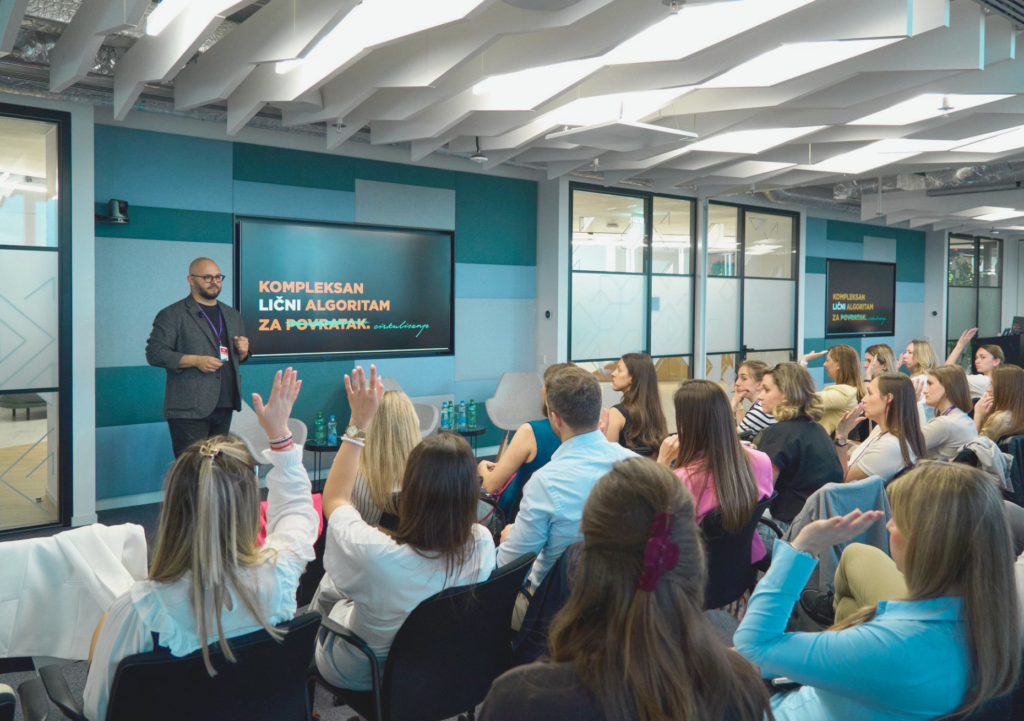
Mobility is not a new phenomenon in our region. In fact, for decades (more than a century, even) people have moved between their communities and other countries, carrying knowledge, skills, traditions, and capital, seeking opportunities and building their lives. In the past, however, this phenomenon was not referred to as “circular migration.” What has changed today is the way we understand and manage these movements. In an era of digital connectivity and global mobility, the significance of circular migration takes on an entirely new dimension and cannot go unnoticed.
How Circular Migration Shapes Communities and Societies
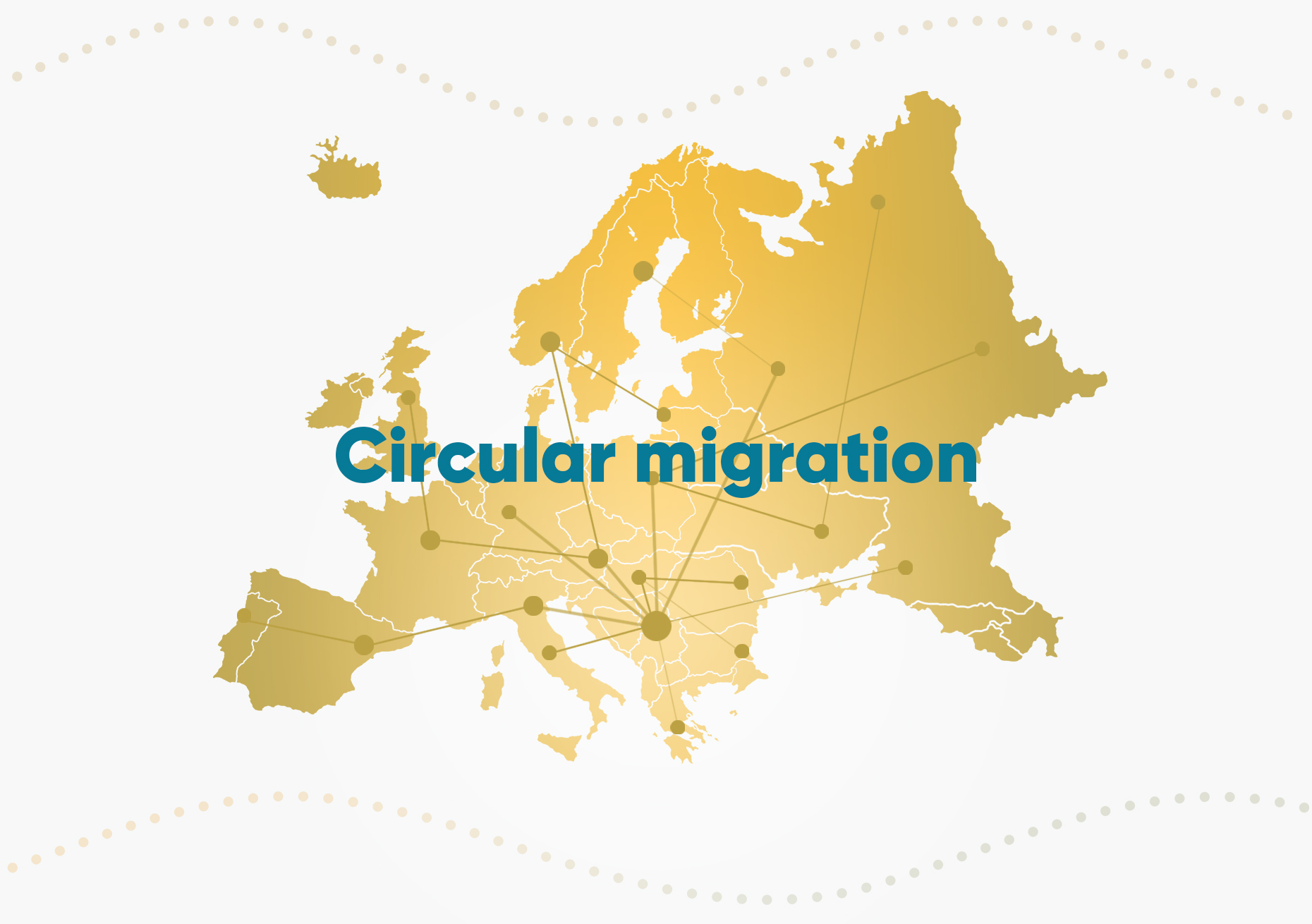
For Returning Point, the circular movement of people has never been one-directional: departure and return have never been terminal categories. Five years of work have only confirmed that circulation is a normal part of life: a complex web of decisions, actors, mechanisms, and systems that can bring tangible benefits to individuals, their families, and local communities alike.
Circular migration shapes local development, can strengthen communities, foster innovation and knowledge exchange, and test the capacity of states and institutions to remain flexible. When it takes place through clearly defined channels of communication and is built on trust among stakeholders, it delivers the so-called “triple win”—benefits for migrants, countries of origin, and countries of destination.
At Returning Point, we believe that a change in perspective is key, because circulation means seeing the bigger picture: every departure and return is part of a continuous process that can strengthen community capacities, reinforce ties with the diaspora, and create opportunities for local development. This is why, for the past five years, we have been working to change people’s perception from viewing “departure” and “return” as final categories toward understanding circulation as an ongoing process that can generate positive effects for everyone involved.
Regional Cooperation as a Driver of Further Development
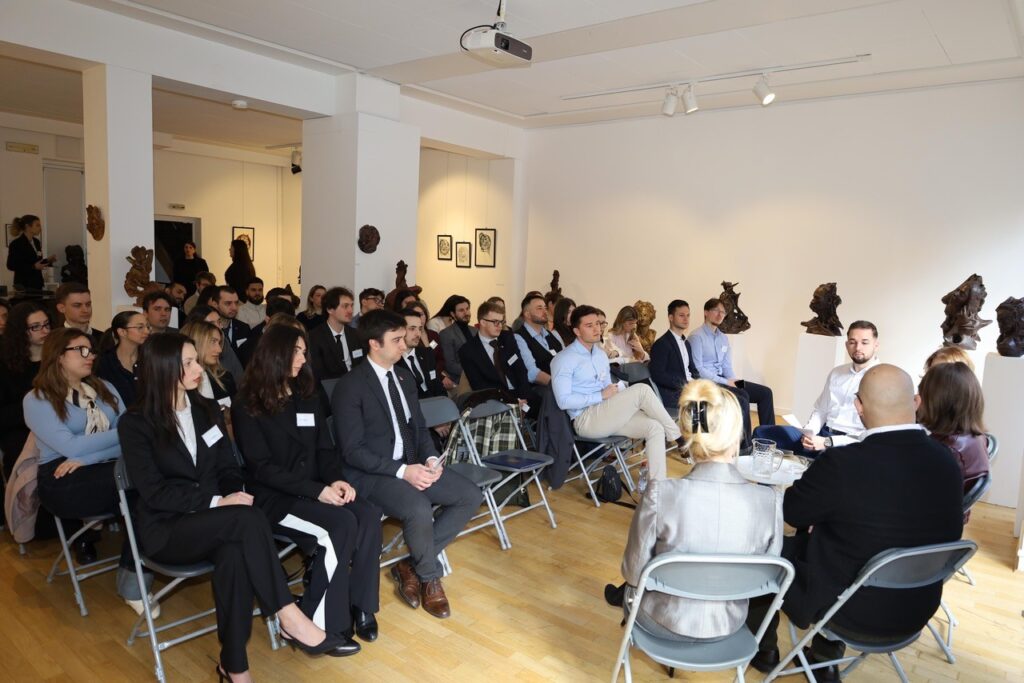
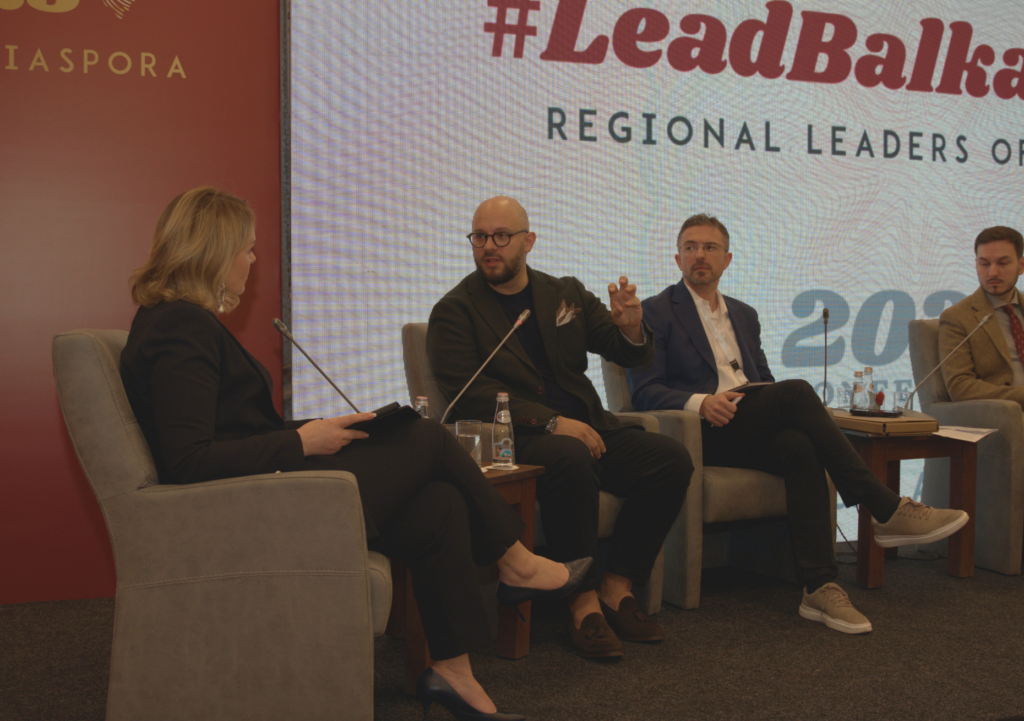
Meetings, exchanges of experience, and examples of good practice demonstrate that communities can thrive when platforms for dialogue, reliable data, and mechanisms exist to connect local institutions, organizations, and the diaspora. Every story, every initiative, and every pilot project reminds us that migration trends can become a springboard for concrete development potential and an opportunity to create new prospects for people and communities.
In this process, Returning Point plays a multifaceted role: through the design and coordination of regional activities, the education of local stakeholders, and the provision of space for the exchange of knowledge and experience, we work to ensure that circular migration is recognized as a strategic development instrument rather than merely an individual choice. Successful migration policies are built on trust, data, and the inclusion of all stakeholders, from individuals to institutions, in a process that delivers long-term benefits for the entire region.
Circular migration is part of everyday life, a bridge between cultures, economies, and knowledge, and it can be a major opportunity: for people who circulate, for communities that welcome them, and for societies that seek to grow together with their people, wherever they may be.